
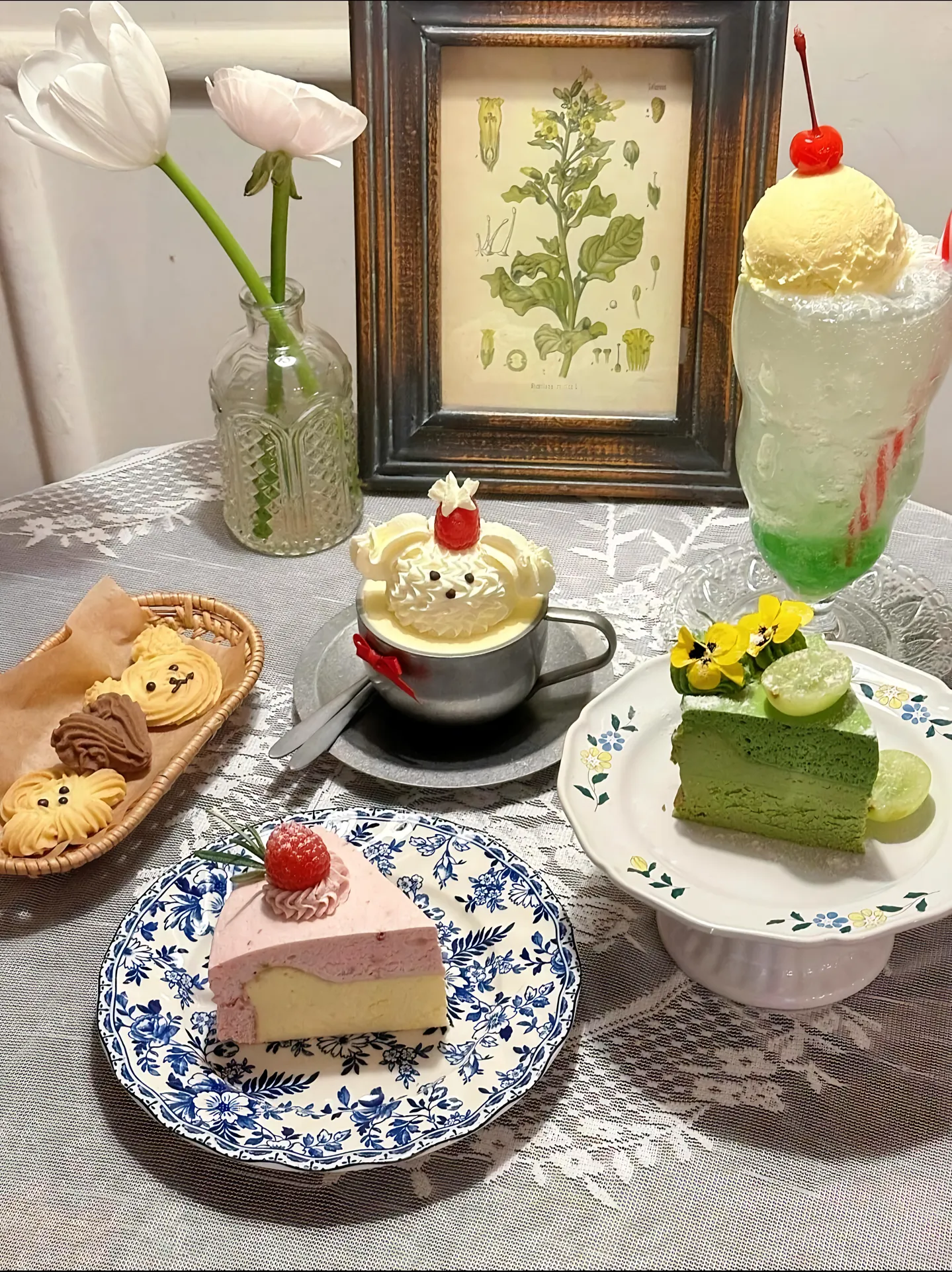
It didn’t start as a strict decision. I didn’t plan to completely remove sugar from my life or follow any kind of rule. It came from a quieter observation, noticing how often I reached for something sweet without really thinking about it. A biscuit with tea, a dessert after dinner, something small in the afternoon just to break the day.
None of it felt excessive on its own.
But together, it formed a pattern that I hadn’t paid attention to before.

When I First Noticed the Habit
Once I started looking more closely, the habit became easier to see. I reached for sugar not only when I was hungry, but when I was bored, tired, or just looking for a small change in how I felt.
It wasn’t a strong craving.
It was more like a quiet pull, something that happened without much thought. That made it harder to notice, and even harder to question.
At some point, I decided to try something simple. I would avoid sugar for a while and see what changed. There was no clear timeline, just an open-ended experiment.

The First Few Days Felt Easier Than Expected
The first few days went smoothly.
I avoided obvious sources of sugar and didn’t feel like I was missing much. If anything, I felt slightly more aware of what I was eating. That awareness made the change feel manageable.
I started to think it might be easier than I had assumed.
But that didn’t last very long.
When the Habit Came Back Quietly
Around the third or fourth day, something shifted.
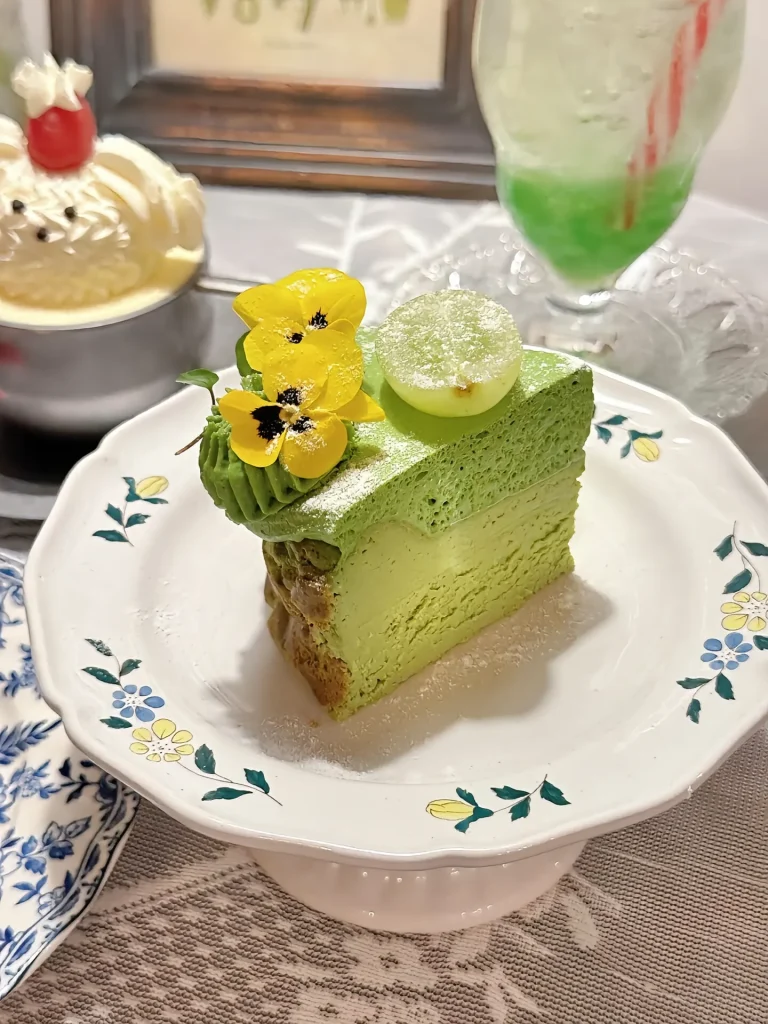
It wasn’t a strong craving, but more of a subtle sense that something was missing. I would finish a meal and feel like it wasn’t complete, even though I wasn’t hungry. That feeling showed up often enough to notice.
One afternoon, I found myself standing in the kitchen without a clear reason. I opened a cupboard, paused, and then closed it again. That moment felt small, but it made something clear.
The habit was still there.
The First Time I Didn’t Stick to It
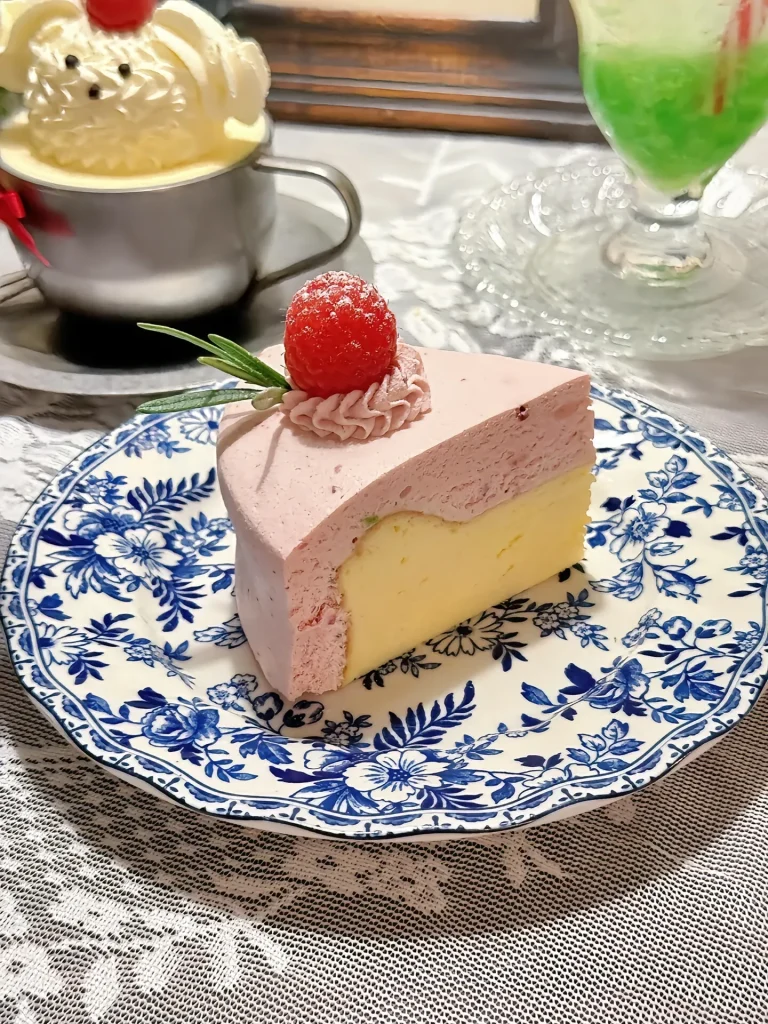
The first time I had something sweet again wasn’t dramatic.
It was just a small dessert after dinner. I thought about it for a few seconds, then decided to have it anyway. It didn’t feel like a big decision at the time.
But afterward, I noticed a slight sense of frustration.
Not because I had eaten sugar, but because I had broken the idea I had set for myself. That reaction felt stronger than the action itself.

When It Stopped Being Clear
After that, things became less defined.
Some days I avoided sugar completely. Other days I didn’t. The idea of “cutting it out” started to feel less solid. It wasn’t a clear success or failure anymore.
That made it harder to know how to approach it.
At the same time, I started paying more attention to how I felt rather than whether I was following the rule. On days without sugar, I didn’t feel dramatically different. On days when I had something sweet, the difference wasn’t as noticeable as I had expected.
That contrast wasn’t as clear as I thought it would be.
What I Didn’t Expect
I had assumed that removing sugar would create a strong, obvious change. Something that would make the effort feel clearly worth it.
But the reality was quieter.
The changes were subtle, almost easy to miss. That made it harder to stay motivated, because there wasn’t a clear reward.
At the same time, completely avoiding sugar made me think about it more. It became something I had to manage, something I had to decide about repeatedly.
That mental effort added up.
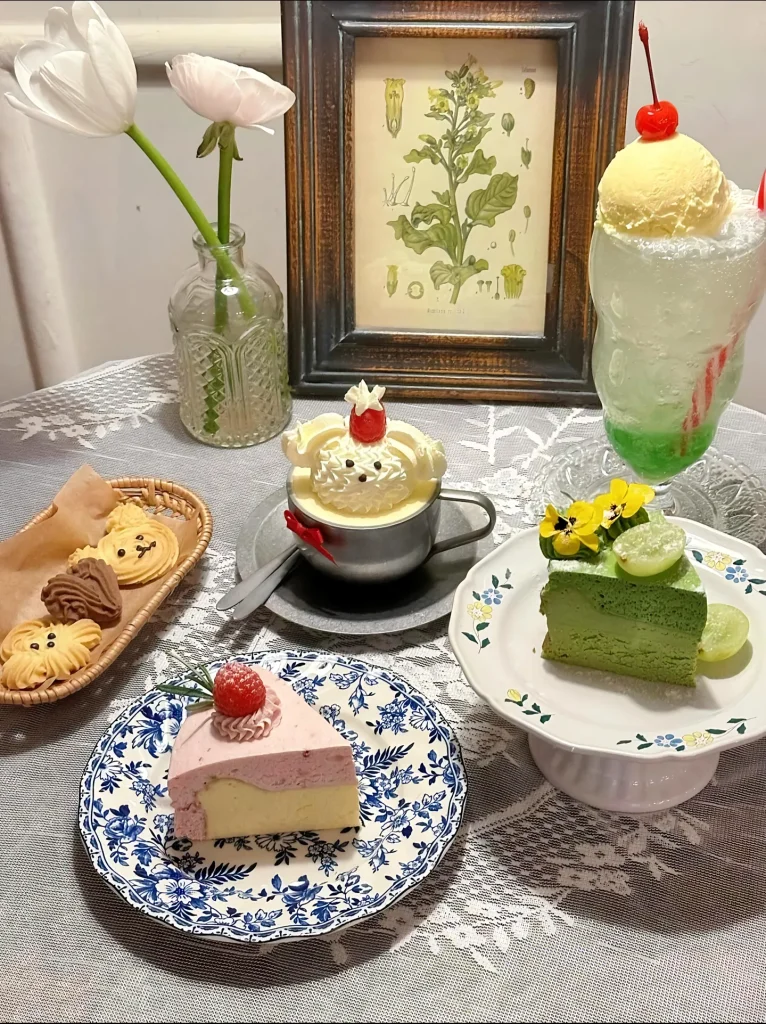
Letting Go of the Need to Eliminate It
At some point, I stopped thinking in terms of completely removing sugar.
Not because I gave up, but because the approach didn’t feel realistic. It created more pressure than it solved.
Instead, I shifted my focus.
Rather than asking whether I should eat sugar at all, I started noticing when and why I wanted it. That change made things feel less rigid.
Some days I still had something sweet.
But it didn’t feel like breaking a rule anymore.
What Changed Without Forcing It
Once the pressure was gone, something else shifted.
I started reaching for sugar less often, but without actively trying to stop. The habit didn’t disappear, but it became quieter. There was more space between the impulse and the action.
That space made it easier to decide.
I also noticed patterns that had been easy to miss before. I wanted sugar more when I was bored than when I was hungry. I used it more as a break than as something I actually needed.
That awareness made a difference.
What Stayed After That
I didn’t cut out sugar completely.
But I no longer approached it the same way.
It wasn’t something I avoided or controlled strictly. It became something I noticed, something that appeared occasionally rather than automatically.
That shift felt more sustainable.
Ending Note
I didn’t succeed in removing sugar entirely.
But I also didn’t need to.
Learning to step back, notice the pattern, and respond without pressure turned out to be more useful than trying to get it right every time.
And for now, that feels like enough.
About the Author
The author explores everyday habits through observation rather than strict rules, with a focus on how small behavioral patterns form and change over time. The approach centers on awareness, flexibility, and realistic adjustments.
Disclaimer
This article is based on personal experience and is intended for general informational purposes only. It does not provide nutritional or medical advice. If you have dietary concerns, health conditions, or specific nutritional needs, consult a qualified healthcare professional.