Introduction
A lot of people think relaxation means doing nothing.
But real relaxation is different from simply distracting yourself.
You can spend hours scrolling on your phone, watching random videos, or lying in bed and still feel mentally exhausted afterward. That happens because your brain never truly slows down.
Modern life keeps many people in a constant state of stimulation.
Notifications, work pressure, social media, overthinking, and daily responsibilities can quietly keep the nervous system tense for long periods. Over time, that mental pressure often turns into:
- Fatigue
- Irritability
- Anxiety
- Poor sleep
- Brain fog
- Muscle tension
- Difficulty focusing
- Emotional exhaustion
The problem is that many people do not notice how stressed they are until the symptoms become overwhelming.
Learning simple relaxation techniques can help your body and mind recover more effectively. These habits are not about becoming perfectly calm all the time. They are about giving your brain regular moments of recovery in a world that rarely slows down.
This guide explains realistic relaxation techniques that actually help without requiring expensive products, complicated routines, or hours of free time.
Why Relaxation Matters More Than People Realize
Stress Affects the Entire Body
Stress is not only emotional.
Long-term tension can affect:
- Sleep quality
- Energy levels
- Digestion
- Mood
- Concentration
- Muscle tension
- Appetite
- Daily motivation
When the body stays in a constant stress response, recovery becomes difficult.
Many people try to push through stress without realizing how much it affects their health and focus over time.
The Difference Between Relaxation and Escaping
This is where many people get confused.
Distraction is not always the same as relaxation.
For example:
- Endless social media scrolling
- Watching stressful content late at night
- Constant background noise
- Overloading your brain with information
may temporarily distract you from stress without actually helping your nervous system calm down.
Real relaxation usually leaves you feeling:
- Mentally lighter
- Less tense
- More emotionally balanced
- Physically calmer
- More focused afterward
Effective Relaxation Techniques That Actually Help
1. Deep Breathing Exercises
Breathing is one of the fastest ways to help calm physical stress responses.
When people feel anxious or overwhelmed, breathing often becomes shallow and tense without them noticing.
Slow breathing may help the body feel safer and more relaxed.
Simple Deep Breathing Method
Try this for a few minutes:
- Inhale slowly through your nose
- Hold briefly
- Exhale slowly and fully
- Repeat calmly without rushing
The goal is not perfect technique.
The goal is slowing the body down enough to reduce tension.
Why Breathing Helps
Deep breathing may help:
- Reduce physical tension
- Slow racing thoughts
- Improve focus
- Calm stress responses
- Help with emotional overwhelm
Many people underestimate how powerful controlled breathing can feel during stressful moments.
2. Walking Without Constant Digital Distractions
Walking is one of the most overlooked relaxation habits.
But many people turn walks into another form of stimulation by constantly checking phones or consuming content.
A Different Approach
Try walking occasionally without:
- Endless scrolling
- Loud content
- Work calls
- Constant multitasking
Quiet movement and fresh air often help the brain reset more effectively than people expect.
3. Progressive Muscle Relaxation
Stress often builds physical tension in the body.
People may unconsciously tighten:
- Shoulders
- Jaw
- Neck
- Hands
- Back muscles
Progressive muscle relaxation helps increase awareness of physical tension.
Basic Technique
Slowly tense and relax different muscle groups one at a time.
For example:
- Tighten shoulders gently
- Hold briefly
- Relax completely
Repeat with different body areas slowly.
Many people notice they are carrying more tension than they realized.
4. Journaling to Reduce Mental Overload
Overthinking keeps the brain mentally active even when the body feels exhausted.
Writing thoughts down may help reduce mental clutter.
Things You Can Journal About
- Worries
- Daily thoughts
- Gratitude
- Goals
- Stress triggers
- Tomorrow’s tasks
The purpose is not writing perfectly.
The purpose is giving your mind space to release mental pressure.
5. Reducing Constant Noise and Stimulation
Modern environments are extremely noisy mentally.
Even when people are home relaxing, they often have:
- TV running
- Notifications constantly appearing
- Background videos
- Loud music
- Multiple screens active
The brain rarely experiences quiet anymore.
Try Creating Small Quiet Moments
Even 10–15 minutes of reduced stimulation can help mentally reset the nervous system.
Silence feels uncomfortable for some people initially because the brain becomes used to constant input.
6. Stretching and Gentle Movement
Stress often becomes physical.
Light stretching may help release muscle tension and improve relaxation.
Helpful Areas to Stretch
- Neck
- Shoulders
- Lower back
- Hips
- Legs
You do not need advanced yoga routines.
Simple movement done consistently can help the body feel calmer.
7. Better Sleep Habits Support Relaxation
Poor sleep and stress usually make each other worse.
People who are exhausted often become more emotionally reactive and mentally overwhelmed.
Relaxation-Friendly Night Habits
- Reduce screen time before bed
- Dim lights at night
- Avoid stressful content late
- Create a calmer bedtime routine
- Keep a more consistent sleep schedule
Improving sleep quality often improves stress tolerance too.
8. Spending Time Outdoors
Nature and fresh air often help reduce mental fatigue.
Many people spend most of the day indoors under artificial lighting and constant digital stimulation.
Even short outdoor breaks may help:
- Improve mood
- Reduce mental tension
- Increase calmness
- Support better focus
You do not need perfect weather or long trips outdoors to notice benefits.
9. Learning to Pause Without Feeling Guilty
A lot of people struggle to relax because they feel guilty resting.
They constantly feel pressure to stay productive.
Over time this mindset creates emotional exhaustion.
Rest Is Not Laziness
Recovery is necessary for:
- Mental clarity
- Focus
- Emotional balance
- Long-term productivity
People often perform better after proper recovery than after nonstop pressure.
Common Relaxation Mistakes
Thinking Relaxation Must Be Perfect
Some people quit relaxation habits because their mind still feels busy initially.
That is normal.
Relaxation skills improve with consistency.
Using Only Digital Distractions to “Relax”
Constant stimulation may temporarily numb stress without actually helping recovery.
Ignoring Physical Tension
Mental stress often shows up physically in the body.
Ignoring headaches, tight shoulders, or jaw tension can make stress feel worse over time.
Expecting Instant Results
Some relaxation techniques help quickly.
Others work gradually through repeated practice.
Consistency matters more than perfection.
A Simple 15-Minute Relaxation Routine
You do not need hours of free time to relax more effectively.
Example Routine
5 Minutes
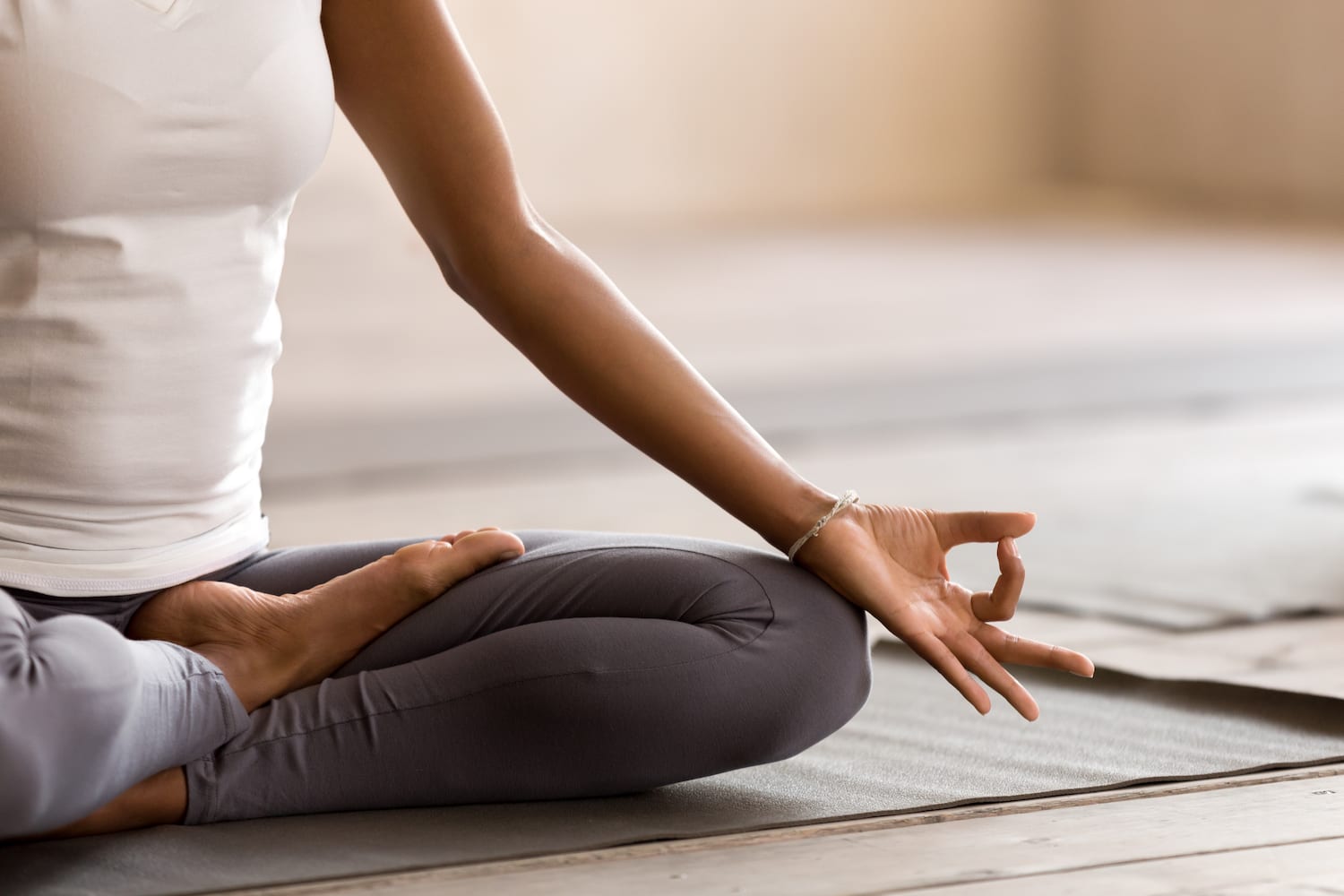
Deep breathing or quiet sitting
5 Minutes
Stretching or slow movement
5 Minutes
Journaling, reading, or sitting quietly without screens
Simple routines repeated regularly often create the biggest long-term improvements.
Signs Your Relaxation Habits Are Helping
Over time, you may notice:
- Less muscle tension
- Improved focus
- Better sleep
- Reduced irritability
- Calmer thinking
- Better emotional control
- More mental clarity
- Feeling less overwhelmed
The goal is not eliminating all stress forever.
The goal is improving how your body and mind recover from it.
Pro Tips for Long-Term Stress Relief
Reduce Overcommitment
Trying to do everything at once creates constant pressure.
Protecting your energy matters.
Create Small Daily Recovery Moments
Relaxation works better when practiced regularly instead of only during burnout.
Stop Treating Rest Like a Reward
Many people only allow themselves to rest after complete exhaustion.
That approach usually leads to more stress long term.
FAQ Section
What is the fastest way to relax mentally?
Deep breathing, quiet walks, reducing stimulation, and stepping away from stressful environments may help calm the mind quickly.
Can relaxation techniques improve sleep?
Yes. Relaxation habits often reduce mental tension and help the body prepare for better sleep.
Why do I struggle to relax?
Many people become used to constant stimulation, stress, and multitasking. Relaxation can initially feel uncomfortable when the brain rarely slows down.
Does journaling actually reduce stress?
For many people, writing thoughts down helps reduce mental clutter and emotional overwhelm.
Is exercise good for relaxation?
Moderate movement and stretching often help release physical tension and improve mood.
How often should I practice relaxation techniques?
Small daily habits are usually more effective than waiting until stress becomes overwhelming.
Conclusion
Relaxation is not about escaping life completely.
It is about giving your body and mind opportunities to recover from constant pressure and stimulation.
Simple habits like deep breathing, quiet walks, stretching, journaling, and reducing screen overload can make a real difference over time.
Most people do not need complicated wellness trends.
They need more consistent moments of calm, recovery, and mental space.
The important part is practicing relaxation regularly enough for your mind and body to actually benefit from it.