
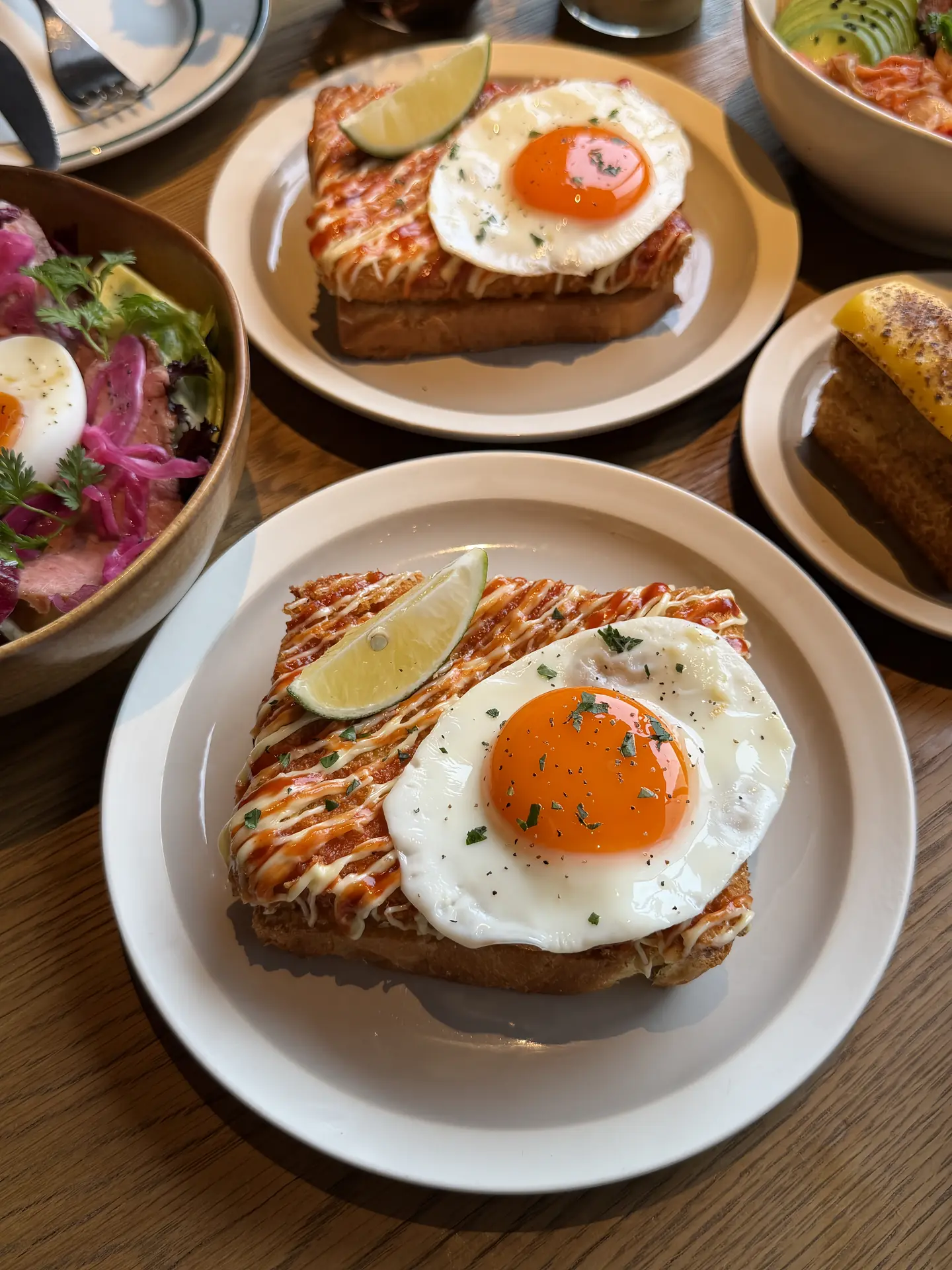
There was a period when ordering takeout felt like the most natural part of my day. It didn’t require planning, didn’t interrupt anything, and it always seemed like the easiest option. After a long day, the idea of choosing something on my phone and having it arrive at my door felt effortless. It wasn’t something I questioned, because it worked.
But at some point, I started noticing small details that didn’t feel quite right.
It wasn’t one specific moment, but a series of quiet observations. Sometimes the food felt heavier than I expected, or not as fresh as it looked. Other times, I would finish eating and still feel slightly unsatisfied, even though I had eaten enough. That feeling wasn’t strong, but it repeated often enough to notice.
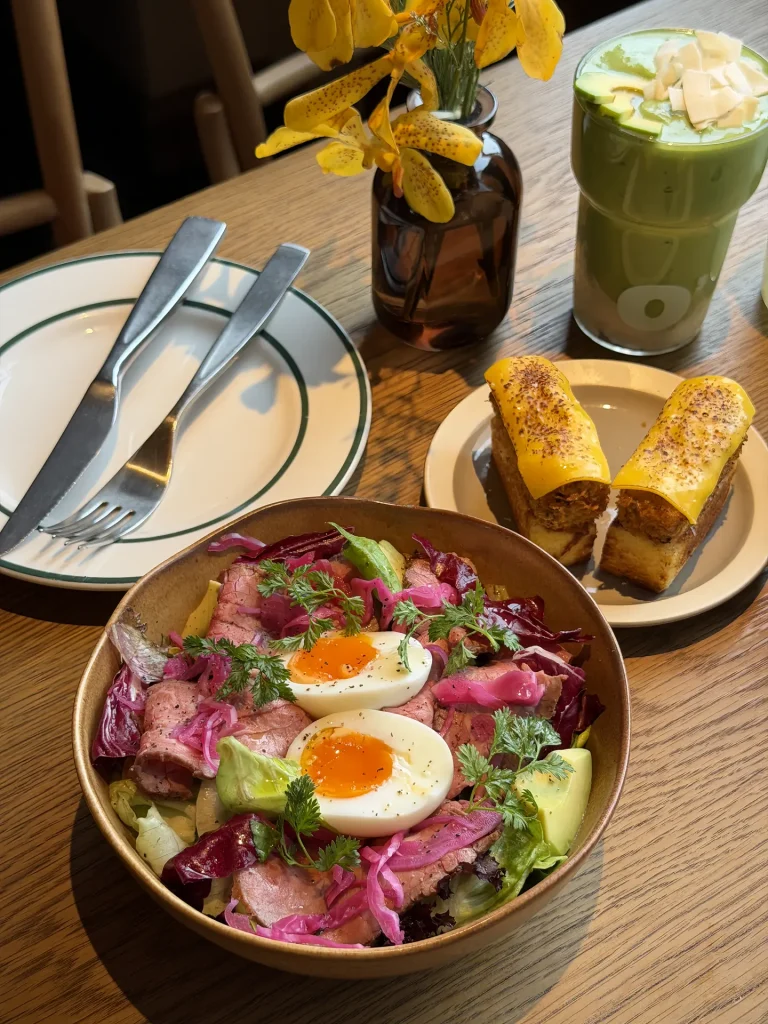
When Takeout Started to Feel Off
The more I paid attention, the clearer the pattern became. Takeout meals were convenient, but they didn’t always feel consistent. Some days they were fine, other days something felt slightly off, and I couldn’t always tell why.
I also began noticing how automatic the habit had become. I wasn’t deciding what to eat, I was just opening an app and scrolling. The choice felt quick, but not intentional. That made the whole process feel more passive than I expected.
One evening, I looked back at how often I had ordered food that week. The number wasn’t surprising, but seeing it all at once made it feel different. It wasn’t just about convenience anymore. It was a pattern that had taken over without much thought.
That was when I started considering a change.
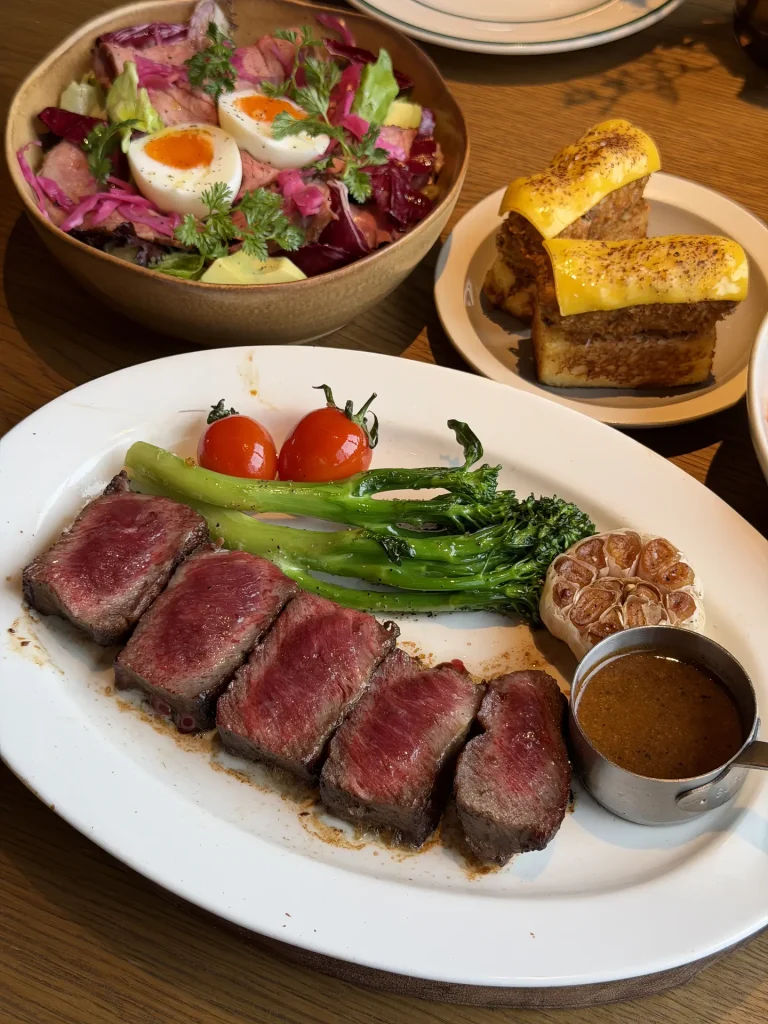
The First Time I Cooked Instead
The idea of cooking more at home didn’t feel difficult in theory. It sounded like a simple adjustment. But when I actually tried to do it, it felt less straightforward.
The first time I chose to cook instead of ordering, I spent more time than I expected just deciding what to make. I checked ingredients, looked at what I had, and hesitated more than necessary. The process felt slower, and I noticed how used I had become to immediate decisions.
When I finally started cooking, everything felt slightly unfamiliar. I moved more carefully than needed, double-checking small things, and taking longer than I probably should have. The result was fine, but not particularly impressive.
Still, something about that meal felt different.
It wasn’t about taste or quality. It was the fact that I knew exactly what went into it. That awareness created a kind of quiet satisfaction that I didn’t get from takeout.
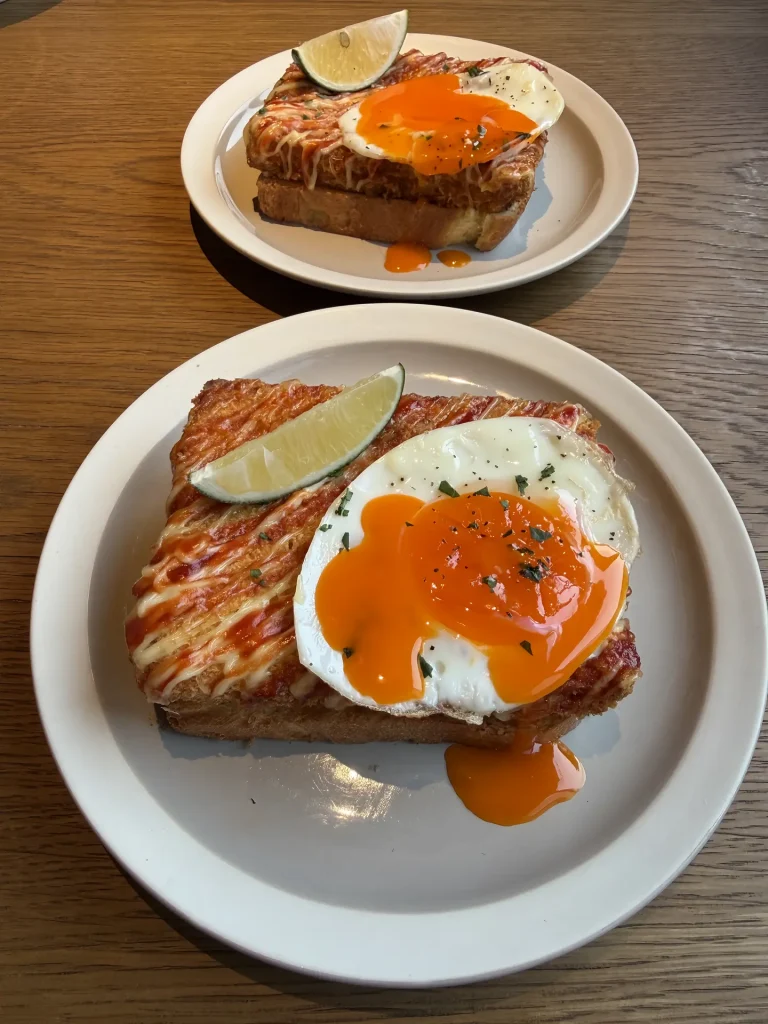
When It Felt Easier to Go Back
After that first attempt, I didn’t immediately switch habits. There were still days when I ordered takeout without thinking twice. Especially when I felt tired or didn’t want to deal with the extra effort, it was still the easier choice.
At first, I saw those moments as setbacks. I thought I was supposed to be moving away from that habit, and going back to it felt like losing progress.
But that way of thinking didn’t last.
I realized that expecting a clean transition from one habit to another wasn’t realistic. The convenience of takeout didn’t disappear just because I had cooked once or twice. It was still there, and it still made sense in certain situations.
That made me rethink the goal.
What Made It Easier to Continue
Instead of trying to stop ordering takeout completely, I focused on something smaller. I would cook when it felt manageable, and not turn it into something I had to do every day.
That shift made the process feel lighter.
I also started simplifying what I cooked. Instead of trying new or complicated meals, I chose things that were easy to repeat. That reduced the time and effort needed, which made it easier to return to.
Over time, I began to notice small changes. I kept a few basic ingredients at home, which made starting easier. I stopped overthinking what to cook, and just worked with what was available.
That reduced the gap between deciding and doing.
The Part I Didn’t Expect
What surprised me most wasn’t the health or cost aspect, even though both were noticeable. It was how cooking changed the rhythm of my day.
Preparing a meal created a pause that didn’t exist when I ordered food. It required just enough attention to bring me out of whatever I had been doing before. That shift felt different from any other kind of break.
It also made the meal itself feel more connected to the rest of the day. Instead of something arriving from outside, it felt like part of what I had done.
That difference was subtle, but it stayed.
What Changed Over Time
After a few weeks, the habit began to shift naturally. I wasn’t cooking all the time, and I didn’t try to. But I was cooking more often than before, and that alone made a difference.
Takeout didn’t disappear, but it stopped being the default.
I started noticing when I chose it, instead of just falling into it. That made the decision feel more intentional. Sometimes I still preferred the convenience, and that was fine.
The difference was that I wasn’t relying on it automatically.
What Stayed With Me
Looking back, the biggest change wasn’t in what I ate, but in how I approached it. Cooking didn’t replace takeout completely, and it didn’t need to.
It simply created another option.
That option made it easier to balance convenience with something more intentional. Some days I chose one, some days the other. But the choice felt clearer than before.
Ending Note
I didn’t turn cooking into a strict habit or a rule I had to follow. It remained something flexible, something that could fit into the day when it made sense.
And that flexibility is probably why it stayed.
About the Author
The author explores how small, everyday choices shape long-term habits, especially in areas like food, routines, and lifestyle. The focus is on gradual change through observation rather than strict discipline or fixed systems.
Disclaimer
This article is based on personal experience and is intended for general informational purposes only. It does not provide nutritional, dietary, or medical advice. Individual needs and health conditions vary, so for specific concerns related to diet or wellbeing, consult a qualified professional.