There was a moment I remember clearly. I had just finished watching a short video, and almost without thinking, my thumb moved again. Another video started, then another. It didn’t feel like I had made a choice. It just kept happening.
After a while, I paused.
Not because I was tired, but because I suddenly realized I couldn’t remember what I had just watched. There were a few vague images, maybe a sentence or two, but nothing that stayed. That feeling wasn’t dramatic, just slightly empty, like time had passed without leaving anything behind.
That moment didn’t change everything, but it made something harder to ignore.
The Moment I Realized I Wasn’t Choosing
Over the next few days, I started noticing how often I reached for short videos without thinking. It happened in small gaps throughout the day. Waiting for something, finishing a task, or just sitting down for a moment.
The pattern was always the same.
I didn’t decide to watch. I just opened the app, and the content started moving. Once it started, it was difficult to stop after one or two videos. The next one was always there, ready before I had time to think.
What made it more noticeable was how automatic it felt. There was no pause between the impulse and the action. That lack of space made it feel less like a choice and more like a reflex.
Why Reading Felt Difficult at First
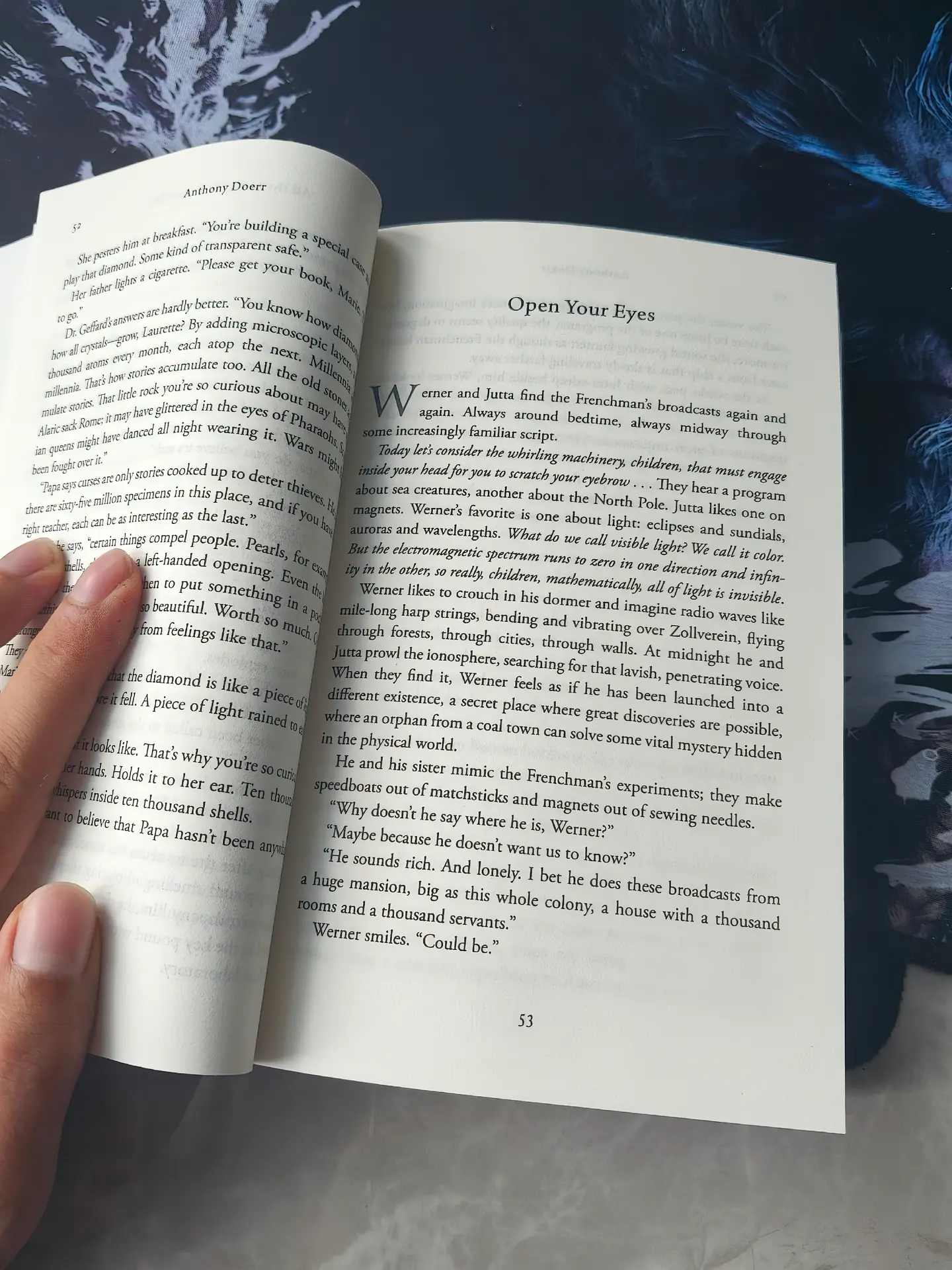
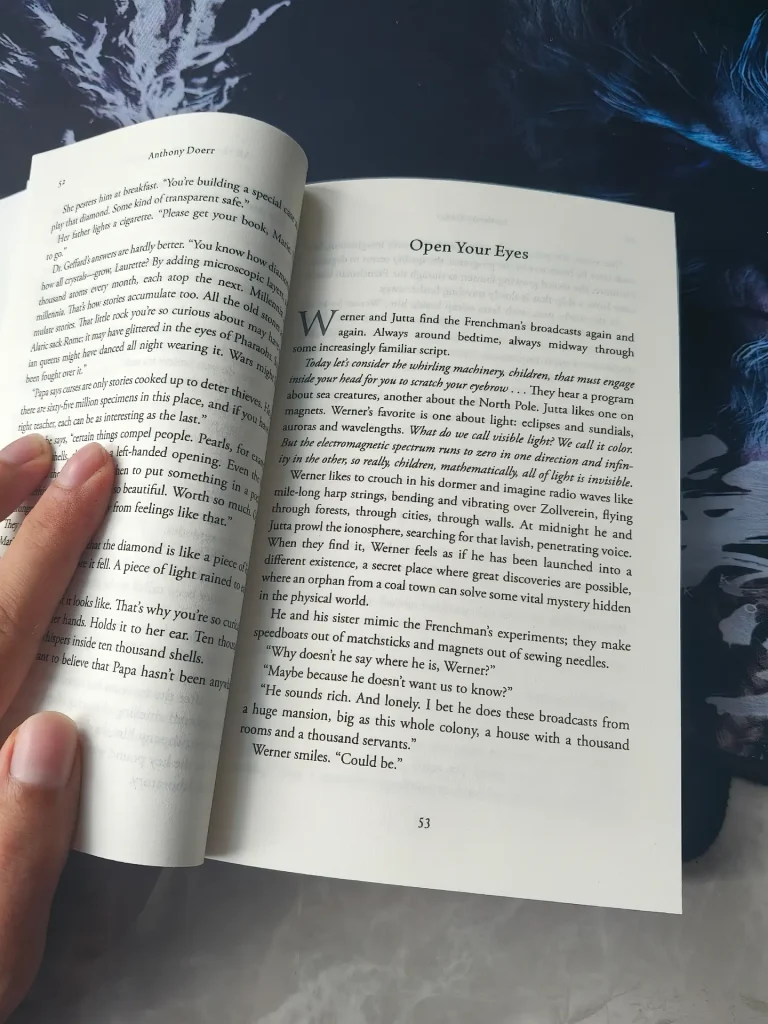
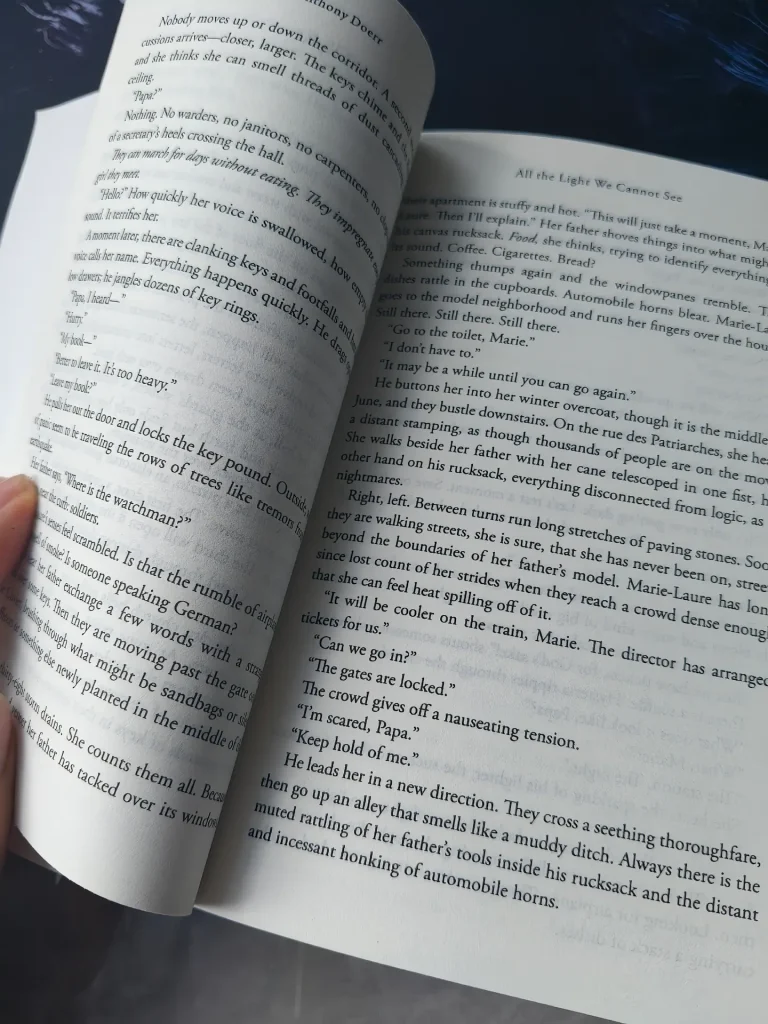
At some point, I picked up a book that had been sitting nearby for days. I didn’t make a plan to replace short videos with reading. It just happened because it was there.
The difference was immediate.
Reading felt slower, heavier, and required more attention. I couldn’t jump from one thing to another. I had to stay with a single line, then a paragraph, then a page. That shift felt slightly uncomfortable at first.
My attention drifted quickly. I found myself rereading sentences, not because they were difficult, but because my mind had already moved on. That made the experience feel less natural than I expected.
For a moment, I thought it might not work.
The Part I Didn’t Expect
But something changed after a few pages.
The restlessness started to settle. My attention didn’t become perfect, but it stayed longer than before. Instead of jumping constantly, it began to hold onto one thing at a time.
That feeling was different from anything I experienced while watching short videos.
It wasn’t exciting or fast. It was quieter, more stable. It didn’t disappear as quickly. That difference made the experience feel more meaningful, even if it was less immediate.
I didn’t read for long that first time. But when I stopped, I noticed something small.
I remembered what I had just read.
When the Shift Became Noticeable
Over the next week, I didn’t try to force a complete change. Some days I still watched short videos. Other days, I picked up a book instead. The pattern wasn’t consistent, and I didn’t expect it to be.
But something had shifted.
There was now a small pause before I opened an app. Not every time, but often enough to notice. In that pause, I could see the choice more clearly.
Sometimes I still chose the easier option.
But other times, I didn’t.
I started keeping a book within reach, not as a rule, but as an option. That made it easier to choose without thinking too much about it.
The Difference I Started to Feel
What stood out most wasn’t how much I read, but how I felt afterward.
After watching short videos, my mind felt scattered. Not overwhelmed, just slightly pulled in too many directions. It was hard to stay with one thought for long.
After reading, even for a short time, the feeling was different. My attention felt more contained. It didn’t wander as quickly, and it was easier to return to what I was doing.
That difference was subtle, but consistent.
It made me pay attention.
What Stayed After That
I didn’t stop watching short videos completely. That wasn’t realistic, and it didn’t feel necessary. They still had their place, especially when I didn’t want to think too much.
But they stopped being the default.
Reading became something I returned to more often, not because I forced it, but because I started to prefer how it felt. It required more effort, but it gave something back in return.
The change wasn’t dramatic, but it was steady.
Ending Note
I didn’t replace one habit with another perfectly. Some days I still fall back into scrolling without thinking.
But now, there is a moment before it happens.
And sometimes, that moment is enough to choose differently.
About the Author
The author reflects on how everyday habits influence attention and time, especially in a digital environment. The focus is on small behavioral shifts that feel natural and sustainable rather than forced or extreme.
Disclaimer
This article is based on personal experience and is intended for general informational purposes only. It does not provide professional advice related to mental health, screen use, or behavioral change. If digital habits significantly impact your wellbeing, consider consulting a qualified professional.