
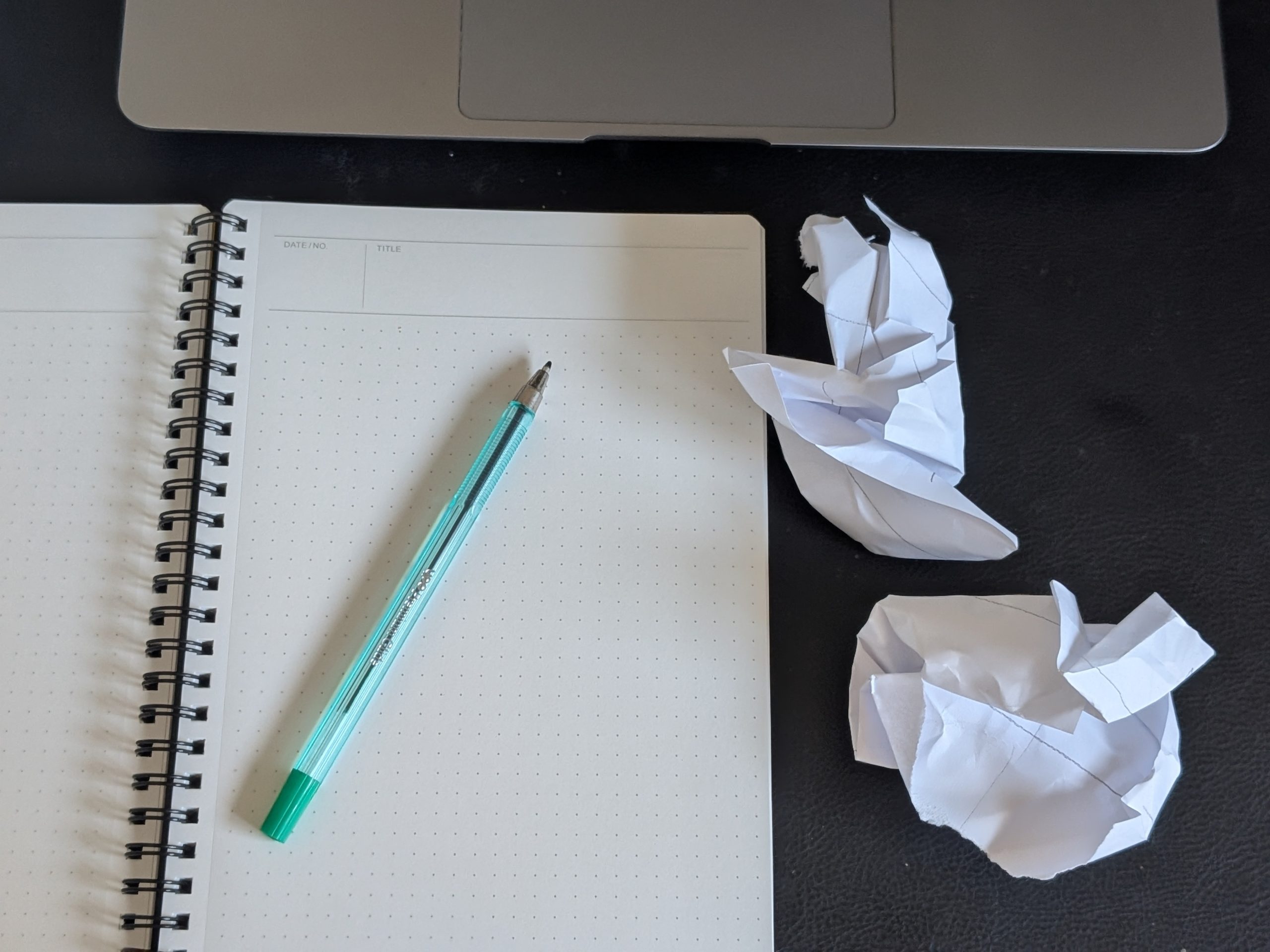
Procrastination never felt like a serious problem to me. It showed up in small ways that were easy to ignore, like leaving dishes in the sink or telling myself I would do something later. None of it felt urgent, which made it easy to justify. It didn’t look like a big issue from the outside, but over time, those small delays started to accumulate in a way that felt heavier than they should have.
There was one night that made me notice it more clearly. I went to bed knowing there were dishes still sitting in the sink, and for some reason, that detail stayed in my mind longer than usual. It wasn’t about the task itself, but about the feeling of leaving something unfinished. That feeling didn’t go away easily, and it made me think about how often I did this without noticing.
The Moment I Decided to Change It
The next day, I set a simple rule for myself. I would try to finish small tasks before going to sleep, especially the ones I usually postponed. It wasn’t about being productive or disciplined, just about not leaving things behind unnecessarily. Washing dishes became the easiest place to start.
The first few days felt surprisingly good. There was a quiet sense of closure at the end of the day that I hadn’t experienced before. Finishing something small created a clear ending, instead of carrying it over into the next morning. That difference was subtle, but noticeable.
I also started to see how often I used “later” as a default. I would finish eating and immediately think about sitting down, even though cleaning up would only take a few minutes. That small pause, the moment of deciding whether to act or delay, became more visible.
Where It Became Difficult
There was one evening that didn’t go the same way. It had been a long day, and I felt completely drained by the time I got home. I ate, sat down, and didn’t get back up. I saw the dishes, but I ignored them. That time, I didn’t even hesitate.
The next morning, the first thing I noticed was the sink.
The feeling that came with it was stronger than I expected. It wasn’t just mild annoyance. It felt like I had broken something I had just started building. That reaction caught me off guard, because the task itself was so small.
For a moment, it felt like the whole idea had failed. I had set a simple rule, and I couldn’t even follow it for a full week. That thought came quickly and felt familiar, like something I had experienced before in other habits.
When One Miss Felt Bigger Than It Was
What stood out wasn’t the missed task itself, but how quickly my mind turned it into something larger. One small delay became a sign that I wasn’t consistent enough, or that the approach wouldn’t work. That kind of thinking felt automatic.
I paused for a moment and noticed that pattern. It wasn’t the dishes that bothered me most, it was the interpretation of what they meant. That realization slowed things down slightly.
Instead of trying to fix the situation immediately, I just washed the dishes.
That simple action didn’t feel like correcting a mistake. It felt like returning to something that was still there.
Learning to Let It Reset
That moment changed how I approached the whole idea. I stopped treating the habit as something that had to be done perfectly. Missing once didn’t erase the progress I had already made. It just showed me where the difficulty actually was.
Over the next few days, I paid more attention to those moments of resistance. It wasn’t about time or effort, because most tasks were small. It was about the feeling that came right before doing them.
Sometimes I still delayed things.
But instead of turning that into failure, I treated it as part of the pattern I was trying to understand. That made it easier to return to the habit the next day without overthinking it.
What Actually Changed
By the second week, something had shifted. I wasn’t perfect, and I didn’t expect to be. But I noticed that I was finishing more small tasks than before. The change wasn’t dramatic, but it was consistent enough to feel real.
More importantly, the emotional weight around those tasks had changed. They no longer felt like something I had to manage or control. They felt like simple actions I could choose to do or not do.
That difference reduced the resistance.
Instead of fighting procrastination, I was noticing it and moving around it.
What Stayed After That
I still leave things for later sometimes. That hasn’t completely disappeared. But it doesn’t turn into a chain of delays the way it used to. One missed task doesn’t lead to several more.
What changed wasn’t the behavior itself as much as my reaction to it. I stopped turning small moments into larger problems. That made it easier to reset and continue.
Now, finishing something small at the end of the day feels less like a rule and more like a direction I return to.
And that direction is enough.
About the Author
The author reflects on everyday patterns of delay and avoidance, with a focus on how small decisions shape larger habits over time. Rather than aiming for strict consistency, the approach centers on understanding resistance and finding ways to move through it without pressure.
Disclaimer
This article is based on personal experience and is intended for general informational purposes only. It is not professional advice related to productivity, mental health, or behavior change. If procrastination significantly impacts your daily functioning, consider seeking support from a qualified professional.