
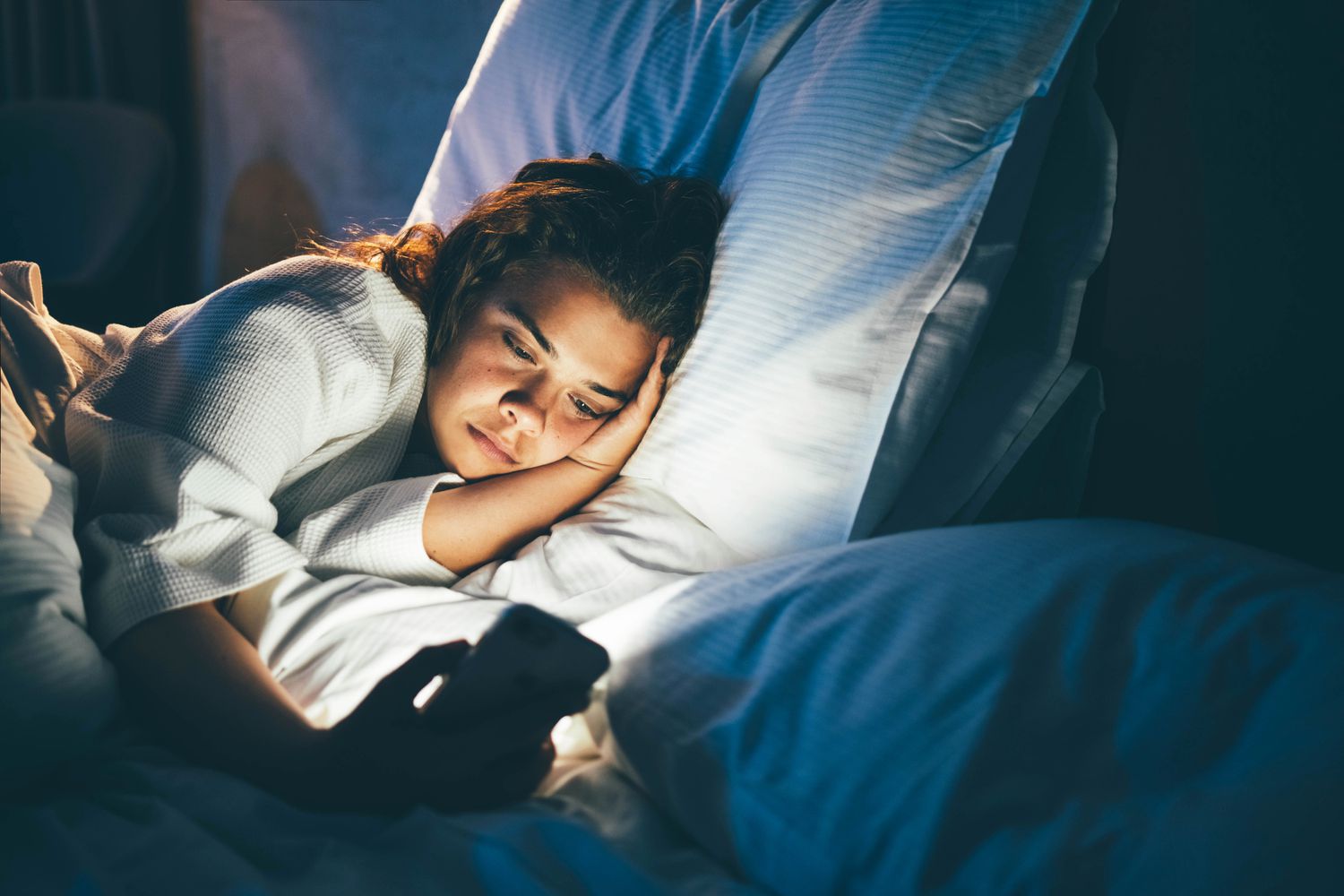
A lot of people think they have a sleep problem when they actually have a habit problem.
They spend hours trying to fall asleep, wake up exhausted, rely heavily on caffeine during the day, and assume their body simply “doesn’t sleep well.”
In reality, small daily habits often damage sleep quality without people realizing it.
The frustrating part is that many sleep mistakes feel harmless at first.
Checking your phone in bed for “just a few minutes.” Drinking coffee late in the afternoon. Sleeping at completely different times every night. Watching videos until you accidentally fall asleep.
None of these habits seem serious individually.
But over time, they can quietly affect:
- Sleep quality
- Energy levels
- Mood
- Focus
- Stress levels
- Recovery
- Motivation
- Physical health
The good news is that improving sleep often does not require extreme routines or expensive products. Many people feel significantly better simply by fixing a few common mistakes consistently.
This guide explains the biggest sleep mistakes people make and how to improve them realistically.
Why Poor Sleep Builds Up Slowly
Sleep Damage Is Often Gradual
One bad night of sleep usually is not a disaster.
The real problem happens when poor sleep habits become daily routines.
Many people slowly adapt to exhaustion and begin treating constant tiredness as normal.
Signs this may be happening include:
- Waking up tired every morning
- Needing caffeine constantly
- Brain fog
- Mood swings
- Difficulty concentrating
- Afternoon crashes
- Feeling mentally drained
The body can tolerate poor sleep temporarily, but long-term sleep deprivation eventually affects both physical and mental performance.
The Most Common Sleep Mistakes
1. Using Your Phone Right Before Sleeping
This is one of the biggest modern sleep problems.
Many people lie in bed scrolling social media, watching videos, reading stressful content, or replying to messages late into the night.
The issue is not only screen brightness.
The brain stays mentally stimulated when it should be slowing down.
Why It Affects Sleep
Late-night phone use can:
- Keep the brain alert
- Increase overthinking
- Delay sleepiness
- Make it harder to relax mentally
Even content that feels entertaining may overstimulate the mind before bed.
Better Alternative
Try creating a short screen-free period before sleeping.
Even 20–30 minutes away from constant stimulation may help the brain settle more naturally.
2. Sleeping at Different Times Every Night
Your body likes consistency.
Going to bed at 10 PM one night, 1 AM the next night, and 3 AM on weekends confuses your internal body clock.
This inconsistency often makes sleep feel less refreshing.
Common Signs of an Irregular Sleep Schedule
- Trouble falling asleep
- Difficulty waking up
- Feeling tired despite enough hours in bed
- Energy crashes during the day
What Helps
Try maintaining:
- Similar bedtime hours
- Similar wake-up times
- More stable daily routines
Consistency usually matters more than occasional “perfect” sleep.
3. Drinking Caffeine Too Late
A lot of people underestimate how long caffeine stays active in the body.
Afternoon coffee, energy drinks, or pre-workout supplements may still affect sleep later at night for some people.
Hidden Sources of Caffeine
People often forget caffeine exists in:
- Tea
- Soft drinks
- Chocolate
- Energy drinks
- Certain supplements
Common Mistake
Many tired people consume more caffeine to compensate for poor sleep, which then makes sleep worse the next night.
That cycle becomes difficult to break.
4. Trying to “Catch Up” on Sleep Every Weekend
Sleeping very little during weekdays and then oversleeping on weekends can confuse your body rhythm.
This often creates:
- Sunday night insomnia
- Monday exhaustion
- Irregular energy levels
Extra sleep may help temporarily, but consistent sleep habits usually work better long term.
5. Spending Too Much Time in Bed Awake
Many people stay in bed for hours:
- Watching videos
- Working
- Eating
- Scrolling social media
- Stressing
Over time, the brain stops strongly associating bed with sleep.
Why This Matters
Your brain responds better when the bed mainly represents:
- Sleep
- Relaxation
- Rest
The more mentally active activities happen in bed, the harder it may become to relax there naturally.
6. Ignoring Stress and Mental Overload
Not all sleep problems come from caffeine or schedules.
Sometimes the real issue is mental overstimulation.
People often lie down physically tired but mentally wide awake.
Common Causes of Nighttime Overthinking
- Work stress
- Anxiety
- Social media overload
- Emotional pressure
- Constant multitasking
The brain struggles to relax when it spends the entire day overloaded.
Helpful Habit
Create small calming routines before bed such as:
- Journaling
- Reading
- Stretching
- Deep breathing
- Reducing digital stimulation
7. Sleeping in an Uncomfortable Environment
Your environment affects sleep quality more than many people realize.
Common Sleep Environment Problems
- Too much noise
- Bright lights
- Hot temperatures
- Uncomfortable bedding
- Constant interruptions
Even small discomforts may reduce sleep quality throughout the night.
8. Eating Heavy Meals Right Before Bed
Large meals late at night can leave the body feeling uncomfortable when trying to sleep.
Some people experience:
- Acid reflux
- Bloating
- Restlessness
- Digestive discomfort
This becomes worse with greasy or spicy foods.
Better Approach
If you are hungry late at night:
- Eat lighter meals
- Avoid overeating
- Give your body time to digest
9. Relying on Alcohol to Fall Asleep
Alcohol may initially make people feel sleepy.
But many people wake up during the night feeling less rested afterward.
Sleep quality often becomes lighter and less restorative.
10. Staying Indoors All Day
Natural daylight helps regulate the body clock.
People who spend most of the day indoors under artificial lighting sometimes struggle with energy during the day and sleepiness at night.
Morning Sunlight Helps
Even short outdoor exposure during the morning may support healthier sleep patterns.
Common Sleep Myths That Confuse People
“I Only Need 4 Hours of Sleep”
Very few people function well long term with extremely little sleep.
Some people become so used to exhaustion that they mistake survival for functioning normally.
“Watching TV Helps Me Sleep Better”
People often fall asleep while watching TV, but background noise, changing light, and stimulation may still reduce sleep quality.
“More Sleep Is Always Better”
Oversleeping regularly may also leave some people feeling sluggish and groggy.
Quality and consistency matter too.
A Simple Routine to Avoid Major Sleep Mistakes
You do not need a perfect nighttime routine.
Simple consistent habits often create the biggest improvements.
Example Evening Routine
1 Hour Before Bed
- Reduce screen time
- Avoid stressful work
- Lower bright lights
30 Minutes Before Bed
- Stretch lightly
- Read or journal
- Prepare for the next day
Bedtime
- Keep the room cool and quiet
- Avoid checking your phone repeatedly
- Focus on relaxing rather than forcing sleep
Signs Your Sleep Habits Are Improving
Better sleep usually improves daily life gradually.
You may notice:
- Easier mornings
- Better focus
- More stable energy
- Improved mood
- Less brain fog
- Reduced irritability
- Better productivity
The changes are often subtle at first but become more noticeable over time.
Pro Tips for Better Long-Term Sleep
Stop Chasing Perfect Sleep Every Night
One bad night does not ruin your health.
Stress about sleeping perfectly often makes sleep harder.
Focus on Consistency First
Stable routines usually matter more than extreme sleep hacks.
Pay Attention to Your Personal Triggers
Some people are highly sensitive to:
- Late caffeine
- Stress
- Bright light
- Noise
- Irregular schedules
Understanding your own patterns matters more than copying online trends.
FAQ Section
What is the biggest mistake people make before bed?
Late-night phone use and overstimulation are among the most common sleep-disrupting habits today.
Can caffeine affect sleep even hours later?
Yes. Some people are very sensitive to caffeine and may experience sleep problems even after afternoon consumption.
Is it bad to sleep at different times every night?
Irregular sleep schedules can disrupt the body clock and make sleep feel less refreshing.
Why do I feel tired after sleeping?
Poor sleep quality, stress, inconsistent routines, or mental overstimulation may affect how rested you feel.
Does stress really affect sleep quality?
Yes. Mental overload and anxiety can make it difficult for the brain and body to relax properly.
How long does it take to improve sleep habits?
Some people notice small improvements within days, while larger changes often happen gradually through consistent routines.
Conclusion
Most sleep problems are not caused by one single issue.
They are usually the result of multiple small habits repeated consistently over time.
Late-night screen use, irregular schedules, stress, caffeine, poor routines, and overstimulation can quietly reduce sleep quality without people realizing it.
The good news is that better sleep often starts with simple changes.
You do not need a perfect lifestyle overnight.
You just need habits that help your body and mind recover more consistently instead of constantly working against them.